10 Clever Tricks That Make Any Small Room Feel Twice as Big

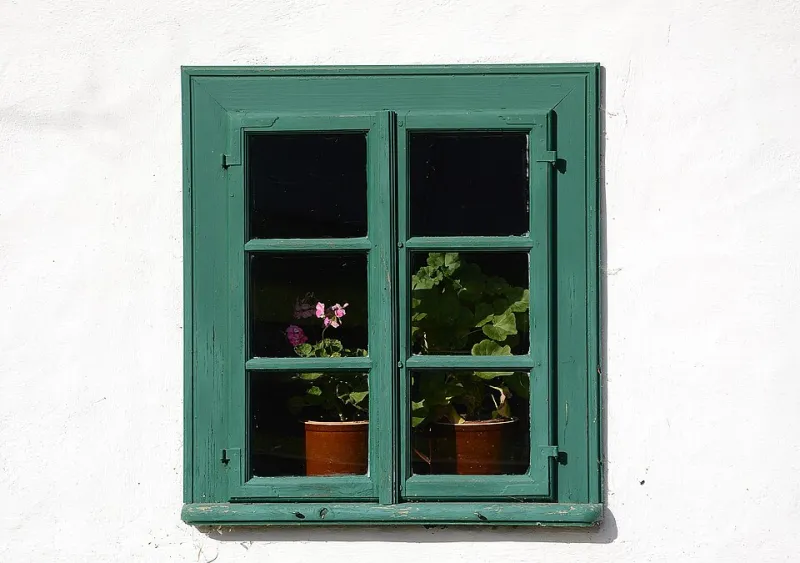
Photo: Iwin Francis, CC BY-SA 4.0, via Wikimedia Commons
Let's be real: not every home in America comes with sprawling square footage. Whether you're renting a cozy apartment in Chicago, living in a starter home in the suburbs, or just dealing with a bedroom that feels like a shoebox, tight spaces are a reality for a huge chunk of homeowners and renters.
Here's the good news — the difference between a room that feels cramped and one that feels effortlessly open often has nothing to do with actual size. It's all about how the space is designed. These ten tricks are tried, tested, and genuinely effective, and most of them won't cost you more than a trip to IKEA or a weekend afternoon.
1. Go Vertical With Your Storage and Decor
When floor space is limited, look up. Tall bookshelves, floor-to-ceiling curtains, and vertically stacked shelving all draw the eye upward, making ceilings feel higher and rooms feel larger. Hanging curtains a few inches below the ceiling (rather than just above the window frame) is one of the easiest and cheapest illusions in the design playbook — it adds the appearance of height without touching a single wall.
In a small living room or bedroom, replacing low, squat furniture with taller, leaner pieces can completely change the energy of the space.
2. Use Mirrors Strategically — Not Randomly
Mirrors are practically magic in small spaces, but placement matters a lot. A large mirror positioned directly across from a window reflects natural light deep into the room and creates the impression of a second window. In a narrow hallway or tight dining area, a full-length or oversized mirror on one wall can make the space feel nearly double in width.
The mistake most people make is hanging small, decorative mirrors in clusters. While that looks stylish, it doesn't do much for perceived space. Go big and go intentional.
Before: A small bedroom with a decorative mirror cluster above a dresser. After: A single large leaning mirror positioned opposite the window — the room instantly reads as brighter and more open.
3. Embrace a Light, Cohesive Color Palette
Color psychology is real, and it has a direct impact on how spacious a room feels. Lighter shades — soft whites, warm creams, pale grays, and muted sage greens — reflect more light and make walls feel like they're receding rather than closing in.
But here's a nuance a lot of people miss: a cohesive palette matters just as much as the specific colors. When walls, trim, and major furniture pieces are all in the same tonal family, the eye reads the space as a continuous whole rather than a series of visual interruptions. That continuity = perceived spaciousness.
If you're renting and can't paint, lean heavily on large area rugs, curtains, and throw pillows in lighter, unified tones to achieve a similar effect.
4. Try an Accent Wall in a Deeper Color (Yes, Really)
This sounds counterintuitive, but hear it out. Painting the far wall of a narrow room in a deeper, richer color actually makes that wall feel like it recedes — which can make the room feel longer. Interior designers use this trick constantly in long, tunnel-like hallways and narrow living rooms.
Choose a color that complements the rest of your palette, apply it to the wall farthest from the entrance, and watch the room seem to stretch.
5. Choose Furniture With Exposed Legs
Furniture that sits directly on the floor — think traditional sofas with skirted bases or chunky platform beds — visually anchors a room and makes it feel heavier and more closed off. Pieces with visible legs, on the other hand, allow light to pass underneath, creating visual breathing room.
Swapping out a solid-base coffee table for a glass-topped one with thin metal legs, or trading a boxy sofa for one with tapered wooden legs, can make a noticeable difference in how light and open a space feels.
6. Multifunctional Furniture Is Non-Negotiable
In a small home, every piece of furniture should earn its keep — ideally in more than one way. Storage ottomans, Murphy beds, extendable dining tables, and sofa beds are all classics for a reason. But the market has gotten much more creative.
Look for:
- Beds with built-in drawers underneath (eliminates the need for a separate dresser)
- Nesting tables that tuck away when not in use
- Benches with hidden storage at the foot of a bed or in an entryway
- Fold-down wall desks for home offices in tight spaces
- Ottomans with removable trays that double as coffee tables
Every item that serves two purposes is one less item cluttering your floor plan.
7. Light It From Multiple Sources
Overhead lighting alone flattens a room and tends to make it feel smaller and more institutional. Layered lighting — a combination of ambient (overhead), task (lamps and under-cabinet), and accent (LED strips, sconces) — creates depth and dimension that makes a space feel more expansive.
Add a floor lamp in a dark corner to push the perceived boundaries of the room outward. Use warm-toned bulbs (around 2700K to 3000K) to create a soft, inviting glow rather than a harsh, office-like feel.
8. Declutter Ruthlessly and Store Smartly
This one sounds obvious, but it's worth saying directly: clutter is the number one enemy of a small space. Visual noise — too many items on surfaces, mismatched storage containers, cords everywhere — makes any room feel chaotic and cramped.
The goal isn't to make your home look like a furniture showroom. It's to give each item a designated home, keep surfaces mostly clear, and use closed storage (cabinets, baskets, drawers) to contain the stuff you need but don't want to look at.
A quick weekend declutter session followed by a trip to The Container Store or a browse through Amazon storage solutions can transform a cluttered small space almost immediately.
9. Use Rugs to Define Zones (and Scale Matters)
In open-plan spaces or studio apartments, area rugs are essential for defining distinct zones — living, dining, sleeping — without walls. But size is critical. A rug that's too small makes a room feel choppy and disjointed, while a properly scaled rug anchors the space and makes it feel intentional.
General rule: in a living area, all front legs of your furniture should sit on the rug at minimum. Ideally, the rug extends under most of the seating arrangement. Don't be afraid to go bigger than feels instinctively comfortable — it almost always looks better.
10. Keep Windows as Open as Possible
Natural light is the ultimate space expander, so don't block it. Swap out heavy drapes for sheer linen panels, remove window treatments entirely in rooms where privacy isn't a concern, and keep window sills clear of clutter.
If you need privacy but still want light, frosted window film is an inexpensive solution that lets light flood in while keeping things opaque. It's renter-friendly, easy to apply, and totally reversible.
Small Space, Done Right
Living in a compact home doesn't mean living a compromised life. With the right approach, a small space can feel curated, intentional, and genuinely comfortable. The key is working with what you have — using light, scale, color, and smart furniture choices to shape how the space is perceived rather than fighting against its natural limitations.
Start with one or two of these changes and see how the room shifts. Chances are, you'll be surprised by just how much difference a few thoughtful moves can make.