Why Your Energy Bill Is Twice Your Neighbor's — And the Insulation Problem You Probably Don't Know You Have
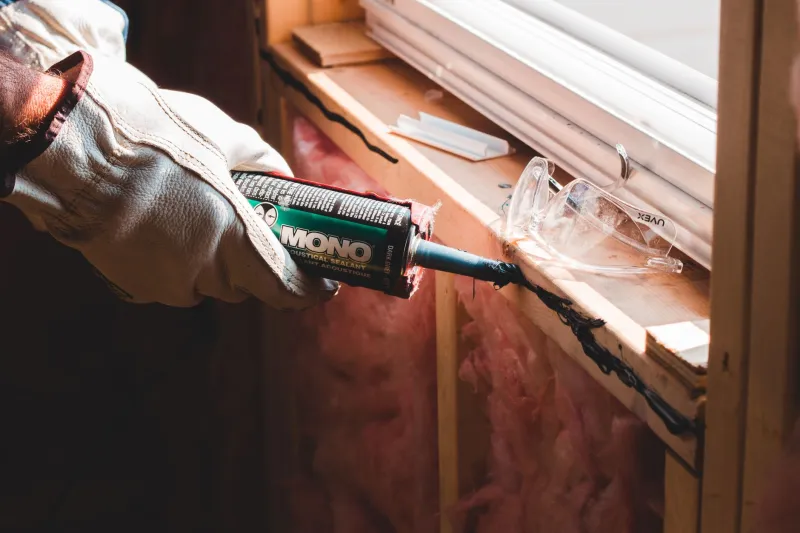
Here's a frustrating scenario that plays out in neighborhoods all across the country: two nearly identical houses, same square footage, same general layout, sitting right next to each other on the same street. One family pays $90 a month to heat their home in January. The other pays $210. Same thermostat setting. Same utility provider. Completely different outcome.
The difference almost always comes down to insulation — or more specifically, the lack of it in the right places.
Most homeowners don't think about insulation until something dramatic happens, like a pipe freezes or an HVAC system gives up the ghost. But insulation is one of those invisible systems quietly working (or failing) every single day, 24 hours a year, in every season. When it's doing its job, you don't notice it. When it's not, your wallet notices for you.
What Insulation Actually Does (And Why It's Not Just About Winter)
A lot of people think insulation is a cold-weather issue. It's not. Insulation is essentially a thermal barrier — it slows the movement of heat. In winter, that means keeping warm air inside your home. In summer, it means keeping the brutal heat outside from cooking your interior.
When insulation is inadequate or degraded, your HVAC system has to work overtime to compensate. It runs longer cycles, burns more energy, wears out faster, and still sometimes can't keep up. That's money leaving your home in every direction — through your roof, your walls, your floors, and your utility bill.
The U.S. Department of Energy estimates that properly air-sealing and insulating your home can save between 10% and 20% on total heating and cooling costs. For the average American household spending roughly $2,000 a year on energy, that's up to $400 back in your pocket annually.
The Three Spots Where Heat Escapes Most
Before you can fix the problem, you need to know where to look. These are the biggest offenders in most American homes:
1. The Attic
Heat rises — everyone knows that. Which means your attic is ground zero for energy loss. In older homes especially, attic insulation may be thin, compressed over time, or simply missing in spots. The recommended R-value (a measure of insulation's resistance to heat flow) for attics varies by climate zone, but most of the U.S. falls in the range of R-38 to R-60. A lot of homes, particularly those built before the 1980s, are sitting at R-11 or less.
You can check this yourself. Climb up there with a ruler and measure the depth of your insulation. If it's less than about 10 inches of fiberglass batts or 8 inches of blown-in cellulose, you're likely underinsulated. Also look for gaps around light fixtures, plumbing penetrations, and the attic hatch — those small openings are major air leak points.
2. Crawl Spaces and Basements
Floors above unheated crawl spaces are notorious energy drains that often go completely ignored. Cold air underneath your home seeps upward through gaps in the subfloor, making your first floor perpetually chilly in winter and forcing your heating system to compensate constantly.
In conditioned basements, check whether the rim joists — those wooden boards where your foundation meets your floor framing — are insulated. They almost never are in older homes, and they're one of the most efficient places to add insulation because they're easy to access and inexpensive to treat.
3. Exterior Walls
This one is trickier to assess without professional tools. Homes built before the mid-1970s often have little to no wall insulation at all. If you're comfortable doing a small experiment, remove an outlet cover on an exterior wall, use a flashlight to peer into the gap around the electrical box, and see if you can spot any insulation material. If it looks empty, that's a significant problem.
Thermographic cameras — available as smartphone attachments or through rental stores — can also reveal cold spots in walls that indicate missing insulation. Some utility companies will actually perform this kind of energy audit for free or at low cost, so check with your provider before spending money on equipment.
How to Prioritize Your Insulation Upgrades
Not every improvement delivers the same return, and you don't have to tackle everything at once. Here's a practical way to think about where to start:
Biggest bang for your buck: The attic. Attic insulation is relatively inexpensive to add, DIY-friendly in many cases, and delivers some of the highest ROI of any home improvement. Depending on your region, adding blown-in insulation to an underinsulated attic can cost between $1,500 and $3,500 for a typical home and can pay for itself in energy savings within 3 to 5 years.
High impact, low cost: Rim joists and crawl space sealing. Cutting rigid foam boards to fit rim joists is a genuine weekend project that costs a few hundred dollars in materials and can meaningfully reduce drafts and heating load on your first floor.
Longer payback, but worth it: Exterior wall insulation. This is more disruptive and expensive — expect $1 to $3 per square foot for blown-in wall insulation injected through small holes drilled from outside. It's not a casual DIY job, but if you live in an older home in a cold climate, the long-term savings and comfort improvement are substantial.
Your Climate Zone Matters More Than You Think
The U.S. Department of Energy divides the country into climate zones that determine the recommended insulation levels for your area. A homeowner in Phoenix, Arizona has very different insulation priorities than someone in Minneapolis, Minnesota — the Phoenix resident needs to focus more on blocking summer heat gain, while the Minneapolis homeowner is fighting brutal winter heat loss.
You can look up your climate zone on the DOE's website using your zip code. Once you know your zone, you'll have a clear target R-value for each part of your home, which makes shopping for materials and evaluating contractor quotes a lot more straightforward.
Before You Spend a Dollar: The Free Stuff First
Some of the most effective insulation improvements cost almost nothing. Weatherstripping around doors and windows, foam gaskets behind outlet covers on exterior walls, and caulk along baseboards and trim can collectively make a noticeable difference in drafts and energy loss. These are genuinely worth doing before you invest in larger upgrades — they'll also help you get more value out of whatever insulation you do add.
Many utility companies in the U.S. also offer rebates for insulation upgrades, and federal tax credits under the Inflation Reduction Act currently cover up to 30% of the cost of qualifying insulation improvements, up to $1,200 per year. That changes the math considerably on bigger projects.
The Bottom Line
If your energy bills feel disproportionate to the size of your home or your usage habits, insulation deserves serious scrutiny before you blame your HVAC system or your utility company. The good news is that unlike a lot of home problems, this one is genuinely fixable — and the fixes pay you back over time rather than just adding to your costs.
Start with a walk-through of your attic and basement. Measure what you have. Compare it to what you need for your climate zone. Then build a plan that works within your budget, starting with the highest-impact upgrades first. Your neighbor's lower energy bill isn't luck — it's insulation. And now you know how to catch up.


