Your Home's Hidden Clock Is Ticking: How to Stop System Failures Before They Wipe Out Your Savings
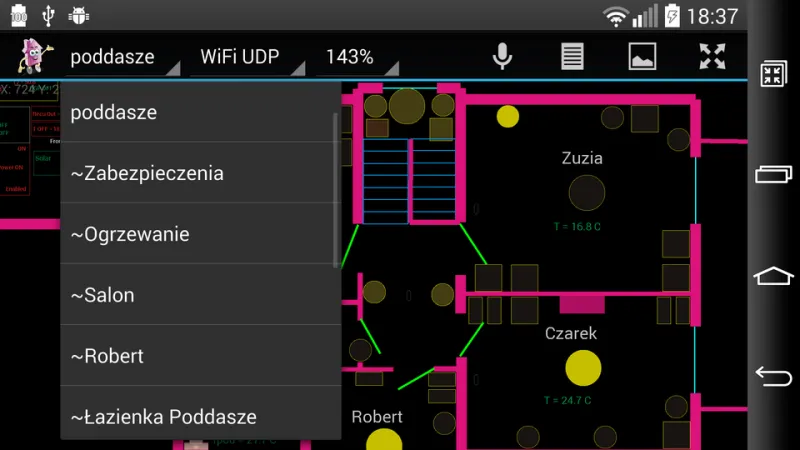
Photo: iSys.PL, Attribution, via Wikimedia Commons
There's a particular kind of financial pain that comes from a system failure you didn't see coming — and almost always could have. The furnace dies on the coldest night in January. The water heater floods the utility room on a Sunday. The circuit breaker starts tripping and suddenly you're looking at rewiring estimates that make your stomach drop. These aren't random acts of bad luck. In most cases, they're the predictable result of maintenance that got pushed to the back burner one season too many.
The uncomfortable truth is that most home systems fail faster than they should. Not because they're cheap or poorly built, but because the conditions they operate in — inadequate airflow, moisture accumulation, ignored small repairs — quietly chip away at their useful lives long before the manufacturer ever intended.
Let's break down what's actually happening inside your walls, and more importantly, what you can do about it.
Why Your HVAC System Is Aging in Dog Years
A well-maintained central HVAC system should last 15 to 20 years. A neglected one? You might be looking at a replacement in 10 or less. The gap between those two outcomes usually comes down to airflow and filtration.
When air filters go unchanged for months at a time, the system has to work harder to pull air through. That extra strain heats up the blower motor, stresses the heat exchanger, and forces the compressor to run longer cycles. Over time, each of those components wears down faster than it would under normal operating conditions. It's the mechanical equivalent of running a car engine with low oil — functional for a while, but quietly destructive.
Ventilation is another underappreciated factor. Homes that are too tightly sealed without proper fresh-air exchange trap humidity, which accelerates corrosion inside ductwork and on coils. Homes that are drafty and poorly insulated make the system run almost constantly to compensate.
What you should actually do:
- Replace air filters every 1–3 months depending on your home's dust levels, pet situation, and filter type. Set a phone reminder if you have to.
- Schedule a professional HVAC tune-up every fall and spring — one for heating season, one for cooling. A $100–$150 service call can identify a failing capacitor or refrigerant issue before it snowballs into a $3,000 compressor replacement.
- Have your ductwork inspected every 5–7 years for leaks. The Department of Energy estimates that leaky ducts can reduce system efficiency by up to 30%.
Plumbing: The System That Punishes Procrastination Most Harshly
Plumbing problems have a particular cruelty to them — they hide well, they grow quietly, and when they finally show up, they tend to bring water damage along for the ride. A slow drip under a sink can rot out a cabinet floor and create a mold situation in a matter of months. A small crack in a supply line in an unfinished basement might not get noticed until there's standing water.
Water heaters are one of the most commonly deferred maintenance items in American homes. The average tank-style water heater lasts 8–12 years with proper upkeep, but most homeowners never flush the sediment, never inspect the anode rod, and never think about the unit until it stops producing hot water — or worse, starts leaking from the bottom.
Hard water is a serious accelerant here. In states like Texas, Arizona, and across the Midwest, mineral deposits build up inside water heater tanks and inside pipes, reducing efficiency and shortening lifespan significantly. A whole-house water softener or a point-of-use filter can make a real difference in how long your plumbing infrastructure holds up.
What you should actually do:
- Flush your water heater tank once a year to clear sediment buildup. It's a 30-minute job that can add years to the unit's life.
- Check under sinks and around toilet bases every six months for soft spots, discoloration, or moisture. Catching a slow leak early is the difference between a $15 supply line and a $2,000 cabinet and subfloor replacement.
- If your home has older galvanized steel pipes (common in homes built before 1970), get a plumber's assessment. Galvanized pipe corrodes from the inside out, and by the time you see rust-colored water, the situation is already well along.
Electrical Systems: Where Deferred Maintenance Gets Dangerous
Unlike a dripping faucet or a noisy HVAC unit, electrical problems often give no warning at all until they become a safety issue. Overloaded circuits, outdated wiring, and worn outlets are the kind of slow-burn problems that homeowners tend to rationalize away — until they can't.
Homes built before 1990 may still have aluminum wiring in some circuits, which requires specific outlet and switch types to operate safely. Older homes may also have Federal Pacific or Zinsco breaker panels, both of which have documented reliability issues and are often flagged by home inspectors as fire hazards.
Beyond the age factor, everyday habits accelerate electrical wear. Daisy-chaining power strips, running high-draw appliances on circuits that aren't rated for them, and ignoring frequently tripping breakers are all signs that a system is being pushed past its limits.
What you should actually do:
- Have a licensed electrician inspect your panel every 10 years, or sooner if you've added major appliances, done a renovation, or noticed flickering lights or frequently tripping breakers.
- Replace two-prong ungrounded outlets — especially in kitchens, bathrooms, and garages — with properly grounded three-prong outlets or GFCI-protected alternatives.
- Don't ignore a circuit that trips repeatedly. It's not being finicky; it's doing its job by flagging a real problem.
Building a Maintenance Calendar That You'll Actually Use
The single biggest factor in how long home systems last isn't the brand, the original installation quality, or even the age of the home — it's consistency of care. A basic seasonal maintenance schedule takes a few hours spread across the year and can extend the life of your major systems by years.
Here's a simple framework:
- Every month: Check HVAC filter, run water in infrequently used drains to prevent trap evaporation
- Every spring: HVAC tune-up, inspect roof and gutters after winter, test smoke and CO detectors, check exterior plumbing for freeze damage
- Every fall: Flush water heater, inspect attic insulation and ventilation, have chimney swept if you use a fireplace, check weatherstripping on doors and windows
- Every 3–5 years: Professional plumbing inspection, electrical panel check, duct cleaning if needed
None of this is glamorous. It doesn't transform a room or add curb appeal. But it's the kind of consistent attention that keeps a $6,000 HVAC replacement from becoming a $12,000 emergency, and a $200 plumbing visit from turning into a $15,000 water damage restoration. Your home's systems are on a clock — the maintenance choices you make right now determine how much time is left on it.