Smart Kitchen Upgrades That Won't Break You: A Real-World Guide to Spending, Saving, and Skipping
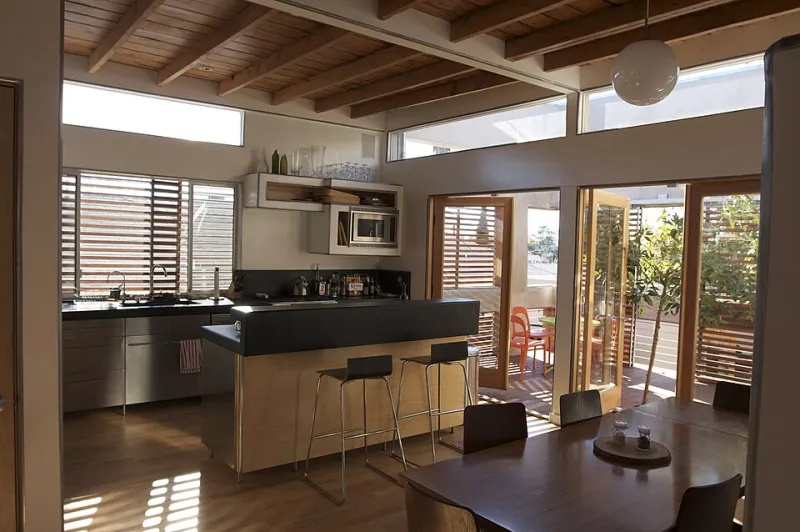
Photo: Jeremy Levine from Los Angeles, United States, CC BY 2.0, via Wikimedia Commons
Somewhere between the glossy magazine kitchens and the renovation horror stories your neighbor shared over the fence, there's a version of a kitchen remodel that actually makes sense for normal people with normal budgets. It's not glamorous on Instagram, but it works — and it won't leave you eating takeout in a gutted kitchen for six months while you wait for custom cabinets to arrive from overseas.
Let's talk about what kitchen upgrades are actually worth the money, what you can get away with doing cheaply, and what you should just skip entirely.
The Myth of the All-or-Nothing Kitchen Reno
The home improvement industry — and let's be honest, a lot of TV shows — has done a pretty effective job convincing homeowners that a kitchen remodel means tearing everything down to the studs and starting fresh. The reality is that most kitchens don't need that. What they need is smart, targeted investment in the areas that have the biggest impact on how the space looks, functions, and holds its value.
The average mid-range kitchen remodel in the US runs somewhere between $25,000 and $40,000 according to industry estimates — but homeowners who are strategic about where they spend frequently achieve results that look and feel just as good for significantly less. The key is knowing which elements carry the room and which ones are just noise.
Where to Spend Real Money
Cabinets: The Bones of the Whole Operation
If there's one place to allocate a serious chunk of your budget, it's cabinetry. Cabinets cover more square footage of visual space than anything else in a kitchen, and their quality is immediately apparent — both to you every day and to buyers if you ever sell.
You don't need custom cabinets. Semi-custom lines from reputable manufacturers offer solid construction, dovetail drawers, soft-close hardware, and real wood finishes at a fraction of the price. What you want to avoid is the cheapest stock cabinets with staple-gun construction and hollow doors — they look fine on day one and rough by year three.
If your existing cabinet boxes are structurally sound, consider refacing rather than replacing. New doors, drawer fronts, and hardware on solid existing boxes can transform a kitchen for 30–50% of the cost of full replacement.
Lighting: The Most Underrated Upgrade in Any Kitchen
Bad lighting makes a beautiful kitchen look dull. Good lighting makes a modest kitchen look polished. It's that simple, and it's consistently one of the highest-return upgrades you can make.
Layer your lighting: recessed ceiling fixtures for general illumination, under-cabinet LED strips for task lighting on the counters, and a statement pendant or two over an island or peninsula if you have one. The total cost for a solid lighting overhaul in an average kitchen can run $500–$1,500 depending on how much of the work you DIY — a fraction of what it costs to replace countertops, with a comparable visual impact.
The Sink and Faucet Combo
You use the sink more than any other single element in the kitchen. A quality faucet with a pull-down sprayer, solid brass internals, and a finish that holds up to daily use is worth every penny over a builder-grade unit that starts leaking in year two. Budget $200–$400 for a genuinely good faucet and you'll be glad you did for the next decade.
Where to Save Without Sacrificing Results
Countertops: The Middle Path Exists
Quartz and granite are beautiful, no argument there. But if your budget is tight, butcher block brings warmth and character to a kitchen at a fraction of the cost — and it's a legitimate DIY install if you're comfortable with basic tools. Laminate has also come an enormous distance from its dated reputation; today's options convincingly mimic stone and wood grain at a price point that might genuinely surprise you.
Save the stone splurge for a future phase if your heart is set on it. A well-executed laminate countertop with a quality undermount sink looks considerably better than a cracked granite remnant that was the cheapest option at the stone yard.
Appliances: Functional Over Flashy
Stainless steel appliances photograph well and buyers respond to them — but you don't need commercial-grade restaurant equipment in a family kitchen. Mid-tier appliances from reliable brands (think Frigidaire, LG, Whirlpool in the $600–$1,200 range per appliance) perform beautifully for everyday cooking without the price tag of luxury lines.
Also worth noting: appliances go on sale. If you're not in a rush, waiting for holiday weekend sales — Memorial Day, Labor Day, Black Friday — can save you 20–30% on a full suite.
Hardware: Small Change, Big Difference
Swapping out cabinet pulls and drawer knobs is one of the easiest, most affordable updates in home improvement. New hardware can shift a kitchen's entire personality — from dated to contemporary, from cold to warm — for under $200 in most kitchens. It's an afternoon project with a visible payoff that's genuinely hard to overstate.
What to Skip Entirely
Pot Fillers
The pot filler — that articulated faucet mounted above the range — has been a fixture in kitchen design content for years. In practice, it requires a dedicated water line installation, costs $300–$800 for the fixture alone plus plumbing labor, and solves a problem most people don't actually have. You still have to carry the pot from the stove to the sink to drain it. Skip it.
High-End Tile Backsplashes Before Everything Else Is Done
A gorgeous hand-painted tile backsplash installed behind outdated cabinets and worn countertops is a waste of money. Backsplashes are finishing touches. Get the foundational elements right first — cabinets, counters, lighting — then circle back. If budget is tight, a simple subway tile in a classic format costs very little and never looks out of place.
Trendy Finishes That Date Quickly
Matte black fixtures and hardware are everywhere right now. So were brushed nickel ten years ago, and oil-rubbed bronze before that. If you love a trend and can afford to re-do it in five years when it shifts, go for it. If you're renovating to add lasting value or you're on a tight budget, stick with timeless finishes — brushed nickel, polished chrome, warm brass — that have proven staying power.
Opening Up Walls Without a Structural Assessment
The open-concept kitchen is appealing, but removing walls is one of the most budget-busting moves in renovation. What looks like a simple demo project frequently turns up load-bearing structures, electrical runs, plumbing, and HVAC that all need to be rerouted. Before you swing a hammer at any wall, have a contractor or structural engineer assess it. The surprises are rarely cheap.
Putting It Together: A Framework for Budget Kitchen Planning
If you're working with a realistic budget of $10,000–$20,000, here's a rough way to think about allocation:
- Cabinets (refacing or mid-range semi-custom): 35–40% of budget
- Countertops (mid-tier materials): 15–20%
- Appliances: 20–25%
- Lighting (fixtures + installation): 8–10%
- Sink, faucet, hardware: 5–8%
- Flooring, backsplash, paint: Remainder
This isn't a rigid formula, but it keeps you from blowing 60% of your budget on countertops and then running out of money before you've addressed anything else.
The Real Goal
A kitchen renovation done right isn't about impressing people with your budget. It's about creating a space that works well, looks clean and current, and holds up to daily life without constantly reminding you of what you wish you'd done differently. That's achievable on a realistic budget — it just takes a little more planning and a lot less HGTV.