Pretty Walls Won't Save You: Why What's Behind Them Determines Your Home's Real Worth
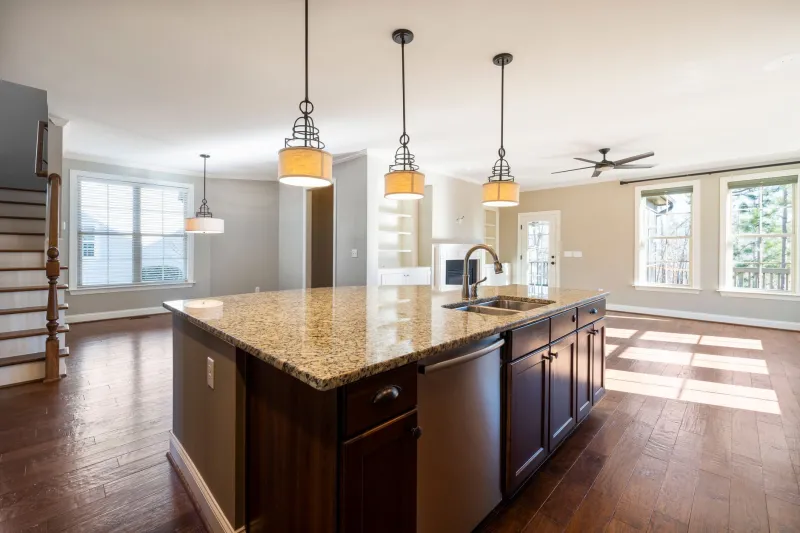
Let's say you've spent the last two years making your home look incredible. New subway tile in the kitchen. Fresh hardwood floors throughout. A master bath that belongs in a design magazine. You're proud of it — and you should be. It looks great.
Then a buyer walks in, falls in love with the aesthetic, orders an inspection, and the deal falls apart in 72 hours.
This scenario plays out thousands of times a year across the US housing market, and it almost always comes back to the same culprit: the gap between what a home looks like and what it actually is. Buyers and their agents have gotten sophisticated. Inspectors are thorough. And lenders don't care how pretty your backsplash is if the electrical panel is a fire hazard.
So before you spend another dollar on aesthetics, it's worth asking a harder question: are your home's bones actually solid?
What Buyers Are Really Nervous About
When a buyer tours your home, they're doing two things simultaneously. They're imagining their life there — where the couch goes, which bedroom is for the kids — and they're quietly scanning for signs of trouble. Experienced buyers, especially those who've been burned before, develop a kind of sixth sense for underlying problems.
A damp smell in the basement. A ceiling that's been painted one too many times. A furnace that sounds like it's working way too hard. These aren't deal-killers on their own, but they plant a seed of doubt that's very hard to uproot.
According to the National Association of Realtors, the top issues that derail home sales after inspection include roofing problems, foundation concerns, outdated or faulty electrical systems, plumbing deficiencies, and HVAC failures. Notice what's not on that list? Paint color. Cabinet hardware. Landscaping.
Buyers aren't just buying what they see. They're buying a promise that the house will keep working after they move in.
The Foundation Factor: Where Everything Starts
Your foundation isn't glamorous. Nobody's posting foundation photos on Instagram. But it is literally the thing your entire investment sits on — and problems here are among the most expensive and psychologically devastating issues a buyer can discover.
Foundation issues can range from minor settling cracks (common and often manageable) to serious structural shifts that compromise the integrity of the whole structure. Repair costs in the US typically run anywhere from $5,000 for minor crack sealing to well over $30,000 for full underpinning or piering jobs.
More importantly, even the appearance of foundation trouble can knock a significant chunk off your asking price — sometimes more than the actual repair cost. Buyers price in fear. If they're worried, they'll offer low or walk away entirely.
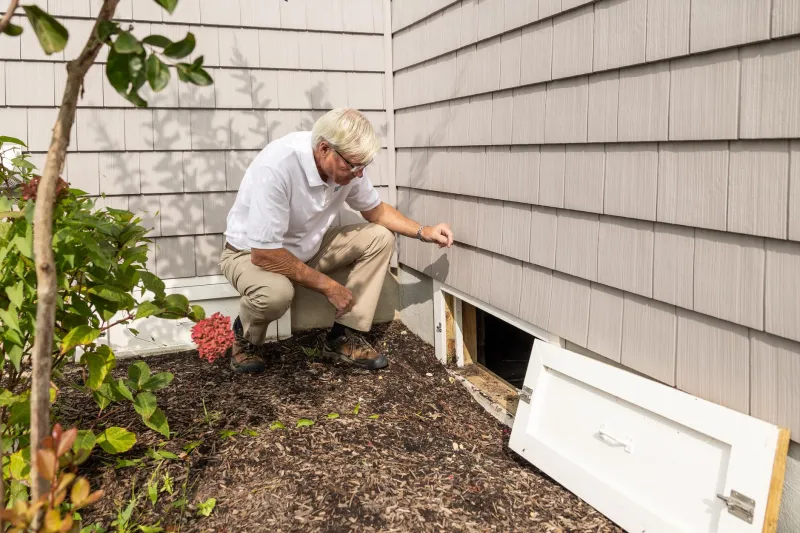
The smart move: get a structural engineer to assess your foundation before listing. If there are issues, address them. If there aren't, having documentation that says so is genuinely valuable.
HVAC: The System Buyers Ask About First
Here's something interesting. When buyers get serious about a home, one of the first questions their agent asks is: how old is the HVAC system? Not the kitchen appliances. Not the water heater. The heating and cooling system.
That's because a failing HVAC unit represents an immediate, unavoidable expense. A new central air and heating system in most US markets runs $7,000 to $15,000 installed. Buyers know this. And if your system is 18 years old and wheezing, they're going to deduct that cost from what they're willing to pay — or use it as a negotiating hammer.
Conversely, a newer, efficient system is a genuine selling point. It lowers utility costs, it signals that the home has been maintained, and it removes a major anxiety from the buyer's mental checklist. If your system is aging, even a professional tune-up with documented service records can make a real difference in buyer confidence.
Plumbing: The Problem That Hides Until It Doesn't
Old plumbing is sneaky. It can function just fine for years — right up until it doesn't. Galvanized steel pipes corrode from the inside out, reducing water pressure and eventually failing. Polybutylene pipes, installed in millions of American homes between the 1970s and 1990s, are prone to cracking and are considered a liability by most insurers.
Inspectors scope main sewer lines now as a matter of routine in many markets. What they find — tree root intrusion, collapsed sections, deteriorating clay pipe — can stop a sale cold. Sewer line replacement runs $3,000 to $25,000 depending on depth and length.
The disconnect homeowners fall into is spending money on a beautiful new bathroom while the pipes behind the walls are decades old and quietly rusting. The new fixtures look great. The underlying system is a ticking clock.
If your home has older plumbing, get it inspected. Selectively repiping problem areas before listing is often money well spent — and it removes a major red flag from the inspection report.
Electrical: Where Cosmetics Meet Real Risk
Outdated electrical systems are one of the most common and most serious issues that surface during home inspections. Federal Pacific and Zinsco panels, still present in a surprising number of older American homes, have documented failure rates that make them a liability. Knob-and-tube wiring, common in homes built before the 1950s, is not only outdated but often uninsurable.
Here's the thing: you can renovate your kitchen top to bottom, and a buyer's lender may still refuse to write the loan if the electrical panel doesn't meet current standards. Some insurance companies won't cover homes with certain panel types at all. No insurance, no mortgage. No mortgage, no sale.
Updating an electrical panel typically runs $1,500 to $4,000. Rewiring a whole house is more, but so is losing a buyer over a $2,000 panel replacement they were spooked by.
The Cosmetic Trap: Where Homeowners Spend Wrong
None of this means cosmetic upgrades don't matter. They absolutely do. A dated kitchen or a tired bathroom can slow a sale and suppress your price. But there's a hierarchy to how buyers process a home — and structural confidence comes first.
Think of it this way: a buyer can mentally repaint a room. They can imagine new cabinet pulls or different light fixtures. What they can't easily dismiss is a foundation crack, a 20-year-old furnace, or a plumbing system that an inspector flagged as a concern. Those things don't live in the imagination — they live in the inspection report, in black and white, with photos.
The homeowners who get the cleanest sales and the strongest offers are typically the ones who've maintained their systems consistently over time. They have service records. They can show buyers that the HVAC was serviced last fall, the roof is eight years old with plenty of life left, and the electrical was updated when they renovated the basement. That documentation is worth real money.
What to Do Before You List
If you're thinking about selling in the next one to three years, here's a practical order of operations:
Start with a pre-listing inspection. Spend a few hundred dollars to find out what a buyer's inspector will find. You want to know first.
Prioritize systems over surfaces. If you have budget for either a new HVAC or new countertops, the HVAC protects your sale. The countertops are nice.
Document everything. Keep receipts and service records for every repair and maintenance item. Buyers love paper trails — they reduce anxiety.
Address the red flags. Foundation cracks, old panels, known plumbing issues — these are the things that kill deals. Deal with them proactively rather than letting buyers use them as leverage.
Then do the cosmetic work. Once the bones are solid, yes — freshen the paint, update the fixtures, stage thoughtfully. Now those improvements are working on top of a strong foundation rather than papering over a weak one.
Your home is probably your biggest financial asset. Protect the asset first. Make it pretty second. That's the order that actually pays off when it matters most.