Stop Winging It: How to Build a Home Office That Actually Works for the Way You Live

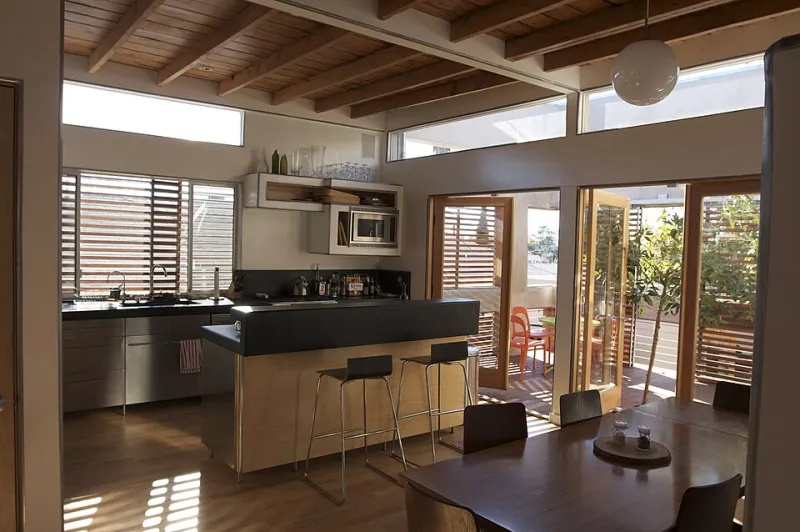
Photo: Shixart1985, CC BY 2.0, via Wikimedia Commons
For millions of Americans, remote work went from a temporary patch to a permanent arrangement almost overnight. What started as laptops on kitchen counters and video calls from bedroom closets has had to evolve into something more sustainable. And yet, a surprising number of home offices are still afterthoughts — a folding table shoved into a corner, a chair that belonged in the dining room, and lighting that would make an accountant's eyes water by noon.
Designing a home workspace that actually functions well isn't about spending a fortune or gutting a room. It's about understanding how you work, what your space can realistically offer, and how to make thoughtful decisions that serve both productivity and comfort. Here's how to do it right.
Start With the Space You Have, Not the Space You Wish You Had
The biggest mistake people make is waiting for ideal conditions — the extra bedroom, the finished basement, the perfect corner of the house — before investing in a real setup. Meanwhile, they're grinding through workdays in spaces that actively work against them.
Before you buy a single piece of furniture, take an honest inventory of your available space and its natural characteristics.
A dedicated room gives you the most flexibility. You can control noise, close a door for calls, and keep work life visually separate from home life — which matters more than most people expect for mental health and focus. In this scenario, your main challenges are layout and making the room feel like yours rather than a generic office.
A shared space — a living room nook, a bedroom corner, or a dining area alcove — requires more deliberate design to create psychological separation between work and non-work zones. Area rugs, open shelving used as a room divider, or even a simple curtain panel can create a visual boundary that helps your brain switch modes.
A converted closet (the so-called "cloffice") is surprisingly functional for focused solo work when done thoughtfully. Remove the doors, add a floating desk surface, run an outlet inside if needed, and install good lighting. It won't work for video calls where your background matters, but for focused heads-down work, it's a genuinely clever solution for tight square footage.
Layout: Where You Sit Changes Everything
Once you know your space, think hard about desk placement before anything else. It influences lighting, noise, privacy, and your general comfort throughout the workday.
Facing a wall can boost focus by reducing visual distraction, but it can also feel oppressive over long hours. A window to your side is generally the sweet spot — natural light without the glare of facing it directly. Facing into the room works well if you need to monitor kids or pets while working, though it can make video call backgrounds trickier to manage.
Leave enough clearance around your desk for comfortable movement — at least 36 inches behind your chair for a walkable path, more if you're in a shared space where others move through regularly. Don't underestimate how much a cramped, boxed-in feeling affects your energy by midafternoon.
If you're working in a smaller room, wall-mounted desks and floating shelves are your friends. They preserve floor space, keep the room from feeling cluttered, and can be folded away if the room doubles as a guest space.
Lighting: The Detail That Separates a Good Office From a Great One
Bad lighting is one of the most consistent complaints from people who work from home, and also one of the most overlooked fixes. Overhead lighting alone — especially the flat, harsh kind — creates eye strain over long sessions and tends to look terrible on video calls.
The goal is layered lighting: ambient light for the overall room, task lighting for your work surface, and accent or bias lighting to reduce contrast and eye fatigue.
- Natural light is your best friend, but position matters. Side-lighting from a window is ideal. If you're facing a window, use a sheer curtain to diffuse glare while keeping the brightness.
- A dedicated desk lamp with adjustable color temperature lets you shift from warmer light in the morning and evening to cooler, more focused light during peak work hours. Look for lamps with a CRI (Color Rendering Index) above 90 for the most natural, comfortable light quality.
- Bias lighting — a simple LED strip placed behind your monitor — reduces the contrast between your bright screen and the darker room around it. It sounds like a gimmick but genuinely reduces fatigue over long screen sessions.
- Video call lighting: A ring light or a softbox light positioned in front of you (between you and the camera) makes an enormous difference in how you appear on calls. It's a small investment that reads as professional without any extra effort.
Sound: The Problem Everyone Underestimates
Acoustics are the sleeper issue in home office design. Open floor plans, hardwood floors, and high ceilings — all popular in modern American homes — create echo and ambient noise that make it harder to concentrate and harder to be understood on calls.
You don't need to build a recording studio. But a few targeted interventions make a real difference:
- Rugs on hard floors absorb a significant amount of room echo. A large area rug under and around your desk setup is one of the highest-impact, lowest-cost acoustic improvements you can make.
- Bookshelves with books (not decorative empty shelves) are excellent sound diffusers. A full bookcase on the wall opposite your desk breaks up sound waves rather than bouncing them around.
- Heavy curtains serve double duty — they manage light and absorb ambient sound from windows facing busy streets.
- For serious call quality, a directional USB microphone (not the built-in laptop mic) makes a transformative difference in how clearly you're heard. Models from brands like Blue or Rode in the $80–$150 range are miles ahead of built-in audio.
If your office shares a wall with a noisy area of the house, adding a white noise machine near the door helps mask distracting sounds without requiring any construction.
Making It Feel Like You — Not a Cubicle
This is where a lot of home offices fall flat. People focus so much on function that the space ends up sterile and joyless, which is its own productivity killer. You're going to spend a lot of time in this room; it should feel good to be in it.
A few principles that work well:
Bring in one personal element you genuinely love — a piece of art, a plant, a collection, a piece of furniture with history. Workspaces with personal meaning are associated with greater satisfaction and lower stress.
Keep clutter managed but not obsessive. Some visual texture and personality is good. A desk buried under paper and cables is not. Invest in a cable management solution (cable boxes, adhesive clips, or a desk grommet) and you'll be amazed how much cleaner the whole space reads.
Choose a chair like it's the most important purchase in the room — because for your body, it is. You're sitting in it for hours every day. A quality ergonomic chair is not a luxury; it's a health investment. If budget is tight, prioritize the chair over the desk.
Consider your video call background as part of the design. What appears behind you on calls is essentially a professional first impression. A clean, thoughtfully styled wall — even just a simple bookcase, a framed print, or a plant — communicates care and attention in a way that a blank white wall or a pile of laundry simply doesn't.
Your home office doesn't need to be perfect. It needs to work for you — your schedule, your tasks, your home's layout, and your sense of what makes a space feel worth spending time in. Get those pieces right, and you'll wonder how you ever managed without it.